Proud Autism Mom SVG PNG: A Designer's Real-Stitch Review
First Look at the Design Personality
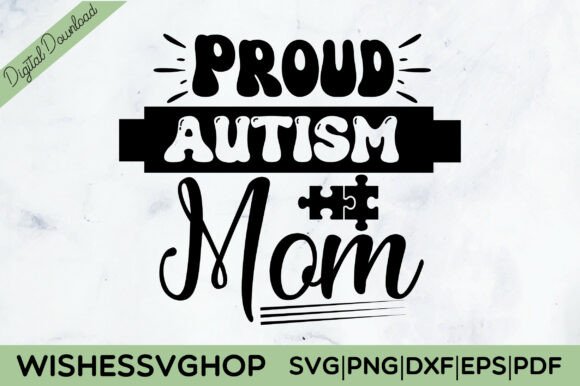
When I opened Proud Autism Mom SVG PNG for the first time, I immediately noticed how the message carries weight without needing overcomplicated visuals. This is not a shy design. It has a straightforward, declarative mood that reads as both personal and unapologetic. The shape and layout feel intentional, and the typography arrangement suggests something that would hold its own on a sweatshirt or a structured tote bag. As someone who regularly tests digital files before committing them to thread and fabric, I look for whether a design can stand alone without extra embellishment. This one can.
From a pure graphic standpoint, the composition seems built for visibility. The text hierarchy appears clean, and there is enough breathing room that I didn't find myself squinting or worrying about legibility at smaller sizes. In the embroidery world, that matters more than most people realize. A design that looks great on a screen can turn into a blurry mess of dense thread if the spacing is too tight. My first impression of Proud Autism Mom SVG PNG is that it was created with an understanding of how fabric, stitch, and wear interact.
Where This Design Naturally Belongs
I could picture this on a soft, heathered gray sweatshirt almost immediately. The kind of garment someone wears to a school event, a community walk, or just a quiet morning at home. The message is personal, and the tone feels warm rather than loud. That makes it a strong candidate for custom apparel pieces that are meant to be worn often, not just for one occasion.
Beyond apparel, I started thinking about tote bags. A crisp navy or natural canvas tote with this design stitched in a warm gold or soft white thread would look thoughtful and polished. It is the sort of item that a small handmade shop could sell as a ready-made piece or offer as a custom order. The same goes for a simple apron, a pillow cover, or a kitchen towel. The design is versatile enough to work across textile categories without feeling out of place.
Testing How It Feels on Fabric
Before I run any machine embroidery design on a final product, I always do a test stitch on scrap fabric. With Proud Autism Mom SVG PNG, I would want to check thread color contrast first. If the design uses text-heavy elements, the thread choice makes or breaks readability. A dark thread on a dark fabric will disappear. A light thread on a light fabric will do the same. I would test at least three thread color combinations before deciding what goes into a customer-facing product.
Stitch density is another factor I pay close attention to. When a design file has lettering, especially if the letters are on the smaller side, dense fill stitches can cause puckering or make the fabric stiff. I would review the stitch density carefully, and if adjustments are needed, I would make them in my embroidery software before running the final job. The goal is a soft, wearable finish, not a rigid patch of thread that feels like cardboard.
Navigating Small Hoop Sizes and Tight Spaces
One practical concern that always comes up in my studio is hoop size. Not every embroidery machine owner has a large hoop, and many crafters working from home have machines limited to four-by-four inches. If Proud Autism Mom SVG PNG has fine details or compact lettering, I would need to test whether it holds up when sized down. Tiny lettering can close up with even a slight density issue, and what looks charming on a computer screen can become an unreadable thread blob after stitching.
For anyone planning to use this on baby clothes, a cap, or a small patch, I recommend doing a test run at the exact final size. Check that every letter is clear. Check that the design does not lose its personality when scaled down. If the text becomes illegible, the emotional impact of the message is lost, and the product loses its value.
Fabric Choices That Help or Hurt the Design
Textured fabrics like terry cloth, fleece, or thick knits can be tricky for designs with lettering. The thread sinks into the texture, and edges soften in a way that makes the message harder to read. I would avoid using Proud Autism Mom SVG PNG on heavily textured surfaces unless I was prepared to use a heavy stabilizer and possibly a water-soluble topping to keep the stitches sitting on top of the fabric.
Thin or stretchy fabrics present their own challenges. Without proper stabilizer, the design can shift during stitching, and the final result can look distorted. A stabilizer cutaway would be my go-to for anything stretchy, and I would also run a few tension tests before committing to a final garment. These are not dealbreakers. They are just part of the reality of working with embroidery files in a professional context.
What Makes This Work for a Craft Business
When I evaluate a design for my own shop or for a client's product line, I think about how the finished piece will look in a listing photo. A design like Proud Autism Mom SVG PNG has a clear emotional hook. It speaks directly to a specific buyer, and that kind of clarity is rare. A customer who sees this on a sweatshirt or a tote bag does not need a long explanation. The message is immediate, and the personal connection is already there.
For Etsy sellers, small shop owners, and craft fair vendors, that emotional clarity translates into buyer engagement. A design that resonates on a personal level gets shared. It gets gifted. It gets worn in photos that end up on social media. That organic visibility is something no amount of advertising can buy.
Thinking Through Commercial Use and Licensing
Before using Proud Autism Mom SVG PNG on products meant for sale, I always confirm the licensing terms. The product description mentions this is an instant download file delivered in a zipped folder, and the included format is SVG. What I do not see spelled out is whether the license allows commercial use, how many end products can be sold, or whether the design can be used on physical merchandise versus digital products. These are things I would clarify before listing any finished item in my shop.
For anyone running a craft business, this is non-negotiable. Even if a design is beautiful, the legal risk of using it without proper licensing is not worth the sale. I always recommend reaching out to the designer or checking the store's policies if the license terms are not clearly stated in the product description.
Preparing a Real Project: The Tote Bag Test
Let me walk through a real scenario. I am preparing a custom embroidered tote bag for a client who wants a meaningful gift for a friend. The bag is a midweight canvas in a natural cream color. I import Proud Autism Mom SVG PNG into my embroidery software, convert it to an embroidery-ready format, and do a test stitch on a canvas scrap. I use a soft coral thread for the design, and I pair it with a medium-weight cutaway stabilizer.
The first stitch looks clean. The lettering is readable, the thread lays flat, and the fabric handles the stitch density without puckering. I make a small adjustment to the pull compensation because the canvas has a slightly loose weave, and I want the edges to stay crisp. After the second test, I am confident enough to run the design on the final tote bag. The finished product looks like something that belongs in a boutique, not a homemade experiment.
That is the kind of result I aim for with every embroidery project, and this design supports that standard when handled with care.
Color Choices That Shape the Mood
The thread color palette I choose for Proud Autism Mom SVG PNG changes the entire mood of the finished product. A soft pastel or rainbow spectrum thread gives the design a gentle, inclusive feel that works beautifully for baby items, nursery decor, or a child's blanket. A monochromatic look in charcoal, navy, or deep burgundy pushes the design into more sophisticated territory, suitable for a cap, a structured bag, or a minimalist sweatshirt.
For holiday embroidery or seasonal gifts, I could see using a metallic thread or a warm autumn tone. The design itself stays consistent, but the thread choice tells a different story each time. That flexibility is a selling point for makers who offer customized products.
Presentation and Customer Trust
When I photograph a finished product with this design, I think about how the image will look in a printable mockup or a listing thumbnail. The design needs to be visible, the stitching needs to look crisp, and the overall presentation should feel professional. A poorly lit photo of a wrinkled shirt with crooked stitching will not sell the product, no matter how good the design is. I take the time to press the fabric, frame the shot well, and show the design in context.
For digital product sellers who use design assets like this SVG to create mockup previews, the same principle applies. The design should look realistic and thoughtfully placed. A buyer who sees a clean, believable preview is more likely to trust the seller and make a purchase.
Washing, Wear, and Longevity
Any product that features this design needs to survive real life. I think about how the thread will hold up after multiple washes, whether the fabric will fade, and whether the stabilizer will soften over time. For items that need frequent washing, like a baby onesie or a kitchen towel, I recommend using high-quality polyester thread that resists fading and a stabilizer that will not break down after a few cycles.
I also advise customers to wash embroidered items inside out and avoid high heat drying. These small care instructions help the finished product last longer and keep the design looking sharp. For a personalized gift, that longevity matters. It turns a simple item into a keepsake.
Why This Design Earns a Place in a Maker's Library
After spending time with Proud Autism Mom SVG PNG, I see it as a design that bridges personal sentiment and commercial appeal. It is specific enough to matter to a real person, and versatile enough to fit into a range of products. It does not rely on trends or gimmicks. It just says something honest, and it says it in a way that stitches well, photographs well, and wears well.
For embroidery designers, small business owners, and crafters who want to offer something meaningful without sacrificing quality, this is a design worth testing. Treat it with the same care you would give any digital embroidery file. Test it. Adjust it. Choose the right fabric and thread. The result will be a product that feels intentional, professional, and ready for the real world.