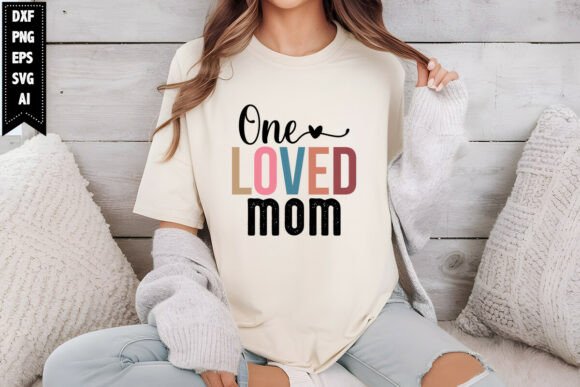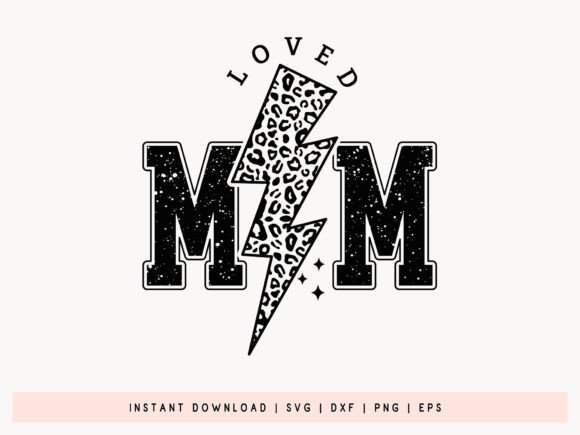
Loved Mom SVG, DXF, EPS, PNG Cut File
First Impressions: Elegant Simplicity with Quiet Confidence
As someone who’s stitched hundreds of “Mom” designs—from playful script to ornate monograms—I opened Loved Mom SVG, DXF, EPS, PNG Cut File expecting sentimentality. What I found instead was quiet elegance: clean lines, balanced negative space, and a gentle curve in the word “Loved” that feels handwritten but never sloppy. It’s not fussy or overly decorative—no swirls, no crowns, no hearts tacked on as afterthoughts. That restraint is its strength. This isn’t a design shouting for attention; it’s one that earns it through clarity and warmth. For embroidery, that translates directly into stitchability: minimal fine detail, generous letter spacing, and proportions that hold up even at 3.5 inches wide—the sweet spot for tote bags, pillow covers, and baby onesies.
A Real-World Test: Embroidering a Linen Kitchen Towel
Last week, I used Loved Mom SVG, DXF, EPS, PNG Cut File to embroider a set of linen tea towels for a local boutique’s Mother’s Day collection. Why linen? Because it’s unforgiving—loose weave, slight stretch, and zero forgiveness for dense stitching or poorly balanced tension. I digitized the design (yes, this is a cut file—not a native embroidery file—so digitizing is required) with light fill stitches for the letters, subtle satin stitch outlines, and a running stitch border just thick enough to define shape without overwhelming the fabric. The result? Crisp, breathable, and deeply tactile—exactly what handmade kitchen goods should feel like. Customers didn’t just see “Mom”—they felt care in the stitch weight, the spacing, the way the design sat *on* the towel rather than sinking into it.
Where It Shines—and Where It Needs Thought
Loved Mom SVG, DXF, EPS, PNG Cut File works beautifully for:
- Custom apparel: Sweatshirts, crewnecks, and lightweight denim jackets—especially when paired with a soft stabilizer and matte thread colors like heather gray or oatmeal.
- Baby embroidery: Onesies, burp cloths, and crib blankets—its open layout avoids bulky fill areas that irritate sensitive skin.
- Embroidered patches: Clean edges and moderate height make it ideal for sew-on or iron-on patches on backpacks, denim jackets, or aprons.
- Holiday and boutique merchandise: It reads instantly, scales well for small shop tags and printable mockups, and feels personal without being cutesy—a rare balance for Crafts category digital products.
But be thoughtful with:
- Stretchy or thin fabrics: Like jersey or rayon challis—use cutaway + tear-away stabilizer combo and reduce stitch density by 10–15% to prevent puckering.
- Curved surfaces: Caps or curved pillow fronts require repositioning the design to follow grain; avoid placing the full phrase across the crown.
- Dark or textured backgrounds: On black terry cloth or bouclé knit, test thread contrast first—ecru or soft rose often reads warmer and more natural than stark white.
- Small hoop sizes (<4" diameter): You’ll need to simplify or resize carefully—some letter terminals may clip if scaled below 2.75".
Design Integrity Meets Commercial Reality
For Etsy sellers and small shop owners, Loved Mom SVG, DXF, EPS, PNG Cut File delivers something quietly valuable: consistency across product types. Whether you’re listing an embroidered sweatshirt, a digital download for crafters, or a physical patch kit, the core visual language stays cohesive. That builds brand trust—repeat buyers recognize your aesthetic, not just your logo. It also photographs well: minimal shadows, strong silhouette, and no tiny elements that vanish in mobile thumbnails. As a Graphics asset, it’s versatile—but remember: this is a cut file, not a ready-to-stitch embroidery file. If you’re selling finished embroidered products, confirm licensing permits commercial use. If you’re reselling digitized versions, always credit appropriately and verify redistribution rights.
Practical Notes Every Embroidery Designer Should Run Through
Before committing to a production run—or uploading to your shop—do these five things:
- Test on scrap fabric that matches your final substrate: same weight, same stretch, same finish.
- Check thread color contrast in both natural and artificial light—what looks warm on screen can read flat under café lighting.
- Review stitch density in your embroidery software: aim for 8–12k stitches for a 3–4" version—any denser risks stiffness on apparel.
- Confirm hoop size compatibility before digitizing; don’t force a 4.5" width into a 4" hoop without adjusting letter spacing.
- Inspect corners and terminals—especially the tail of the “d” in “Loved”: does it taper cleanly? Does it anchor well on fabric or float awkwardly?
Also, try a black-and-white mockup. If the design loses legibility or emotional resonance without color, it’s not yet ready for customer-facing use.
Final Thought: Less Is Truly More Here
In a market flooded with overdesigned “Mom” files—layered fonts, glitter effects, excessive embellishment—Loved Mom SVG, DXF, EPS, PNG Cut File stands out by honoring silence. It leaves room for the fabric, the thread, the maker’s hand, and the recipient’s heart. That makes it unusually adaptable: equally at home on a $300 linen apron or a $12 baby onesie. For craft business owners, that flexibility means fewer SKUs, cleaner branding, and stronger emotional resonance per stitch. Just remember—it’s a starting point, not a finish line. Your digitizing choices, fabric pairings, and finishing details are what turn this elegant Graphics asset into a truly loved finished product.