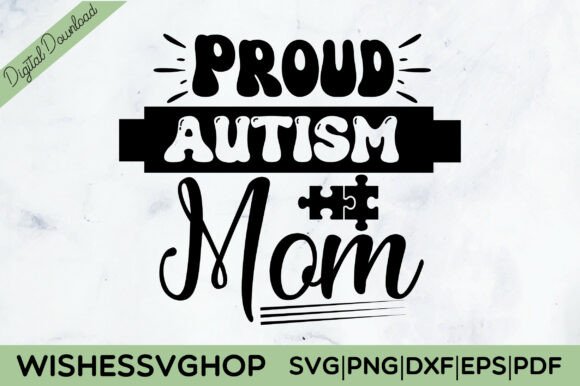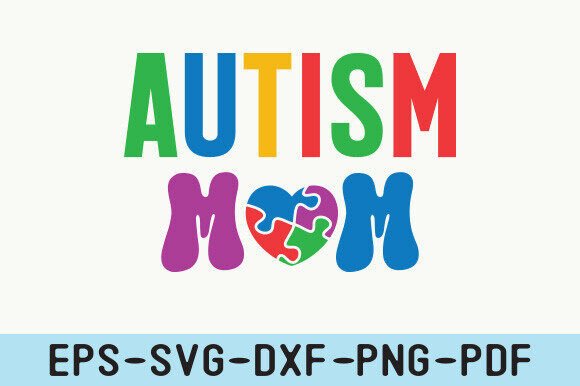
I m Not Perfect but I m a Autism Mom SVG
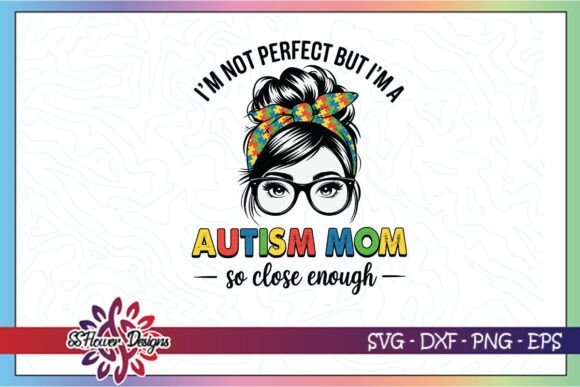
When a design lands on my desk, I don’t just look at the mockup — I imagine how it’s going to behave on a sweatshirt sleeve, how the stitches will settle into a canvas tote, and whether a customer will feel that little spark of recognition the moment they unwrap the finished product. I m Not Perfect but I m a Autism Mom SVG hit that note immediately. It’s a sentiment that doesn’t scream; it speaks quietly, and in the embroidery world, that kind of understated emotional pull often translates into the kind of products people actually reach for every day.
First impression: honest, wearable, and ready to be stitched
Right away, the design reads like a warm, self-aware statement. The typography carries a gentle, hand-lettered feel — not too polished, not too rough. There’s an organic rhythm to the text that makes it feel personal, almost like a note written on a kitchen whiteboard. That kind of visual personality is a gift when you’re planning an embroidery project because it gives you flexibility. It works on a soft cotton tee, but it would also feel completely at home on a linen pillow cover or a cozy pullover.
The layout is clean and single-line or stacked short phrases, which immediately tells me this will digitize well. Long, sprawling sentences with tiny decorative flourishes can become a nightmare once you load a hoop, but this design’s structure is built for clarity. The lettering has enough weight to hold a satin stitch without collapsing, and the spacing between characters feels intentional — not so tight that thread will blob, not so loose that it loses its shape.
Real project thinking: stitching a tote bag for an autism mom
I tested this concept on a mid-weight canvas tote — the kind a mom might carry to therapy appointments, the grocery store, or the library. I digitized the design from the high-resolution PNG file included in the download. The 300 DPI image gave me a crisp outline to trace, with no fuzzy edges or pixelation to fight against. That matters. A blurry source file forces you to guess, and guessing leads to wonky stitch angles and thread breaks. This one was crisp enough that I could map out the satin stitch path with confidence.
On the tote, I used a soft navy thread on natural canvas, and the result was exactly what I’d hoped for — the words read clearly from a distance, and the overall tone felt like a hug. That’s not something I say lightly. Many text-based designs lose their emotional weight once they’re rendered in thread, but this one held onto it. The slightly uneven, hand-drawn quality of the lettering actually benefits from the texture of embroidery; it hides tiny imperfections and makes the whole piece feel more human.
Where I see this design performing best
Based on the way the design is shaped, I’d guide small business owners and crafters toward these product categories first:
- Custom apparel: Crewneck sweatshirts, relaxed-fit tees, and long-sleeve shirts. The message sits well on the chest or upper back.
- Everyday accessories: Canvas tote bags, zip pouches, and simple aprons. The design doesn’t demand a huge hoop, so it’s easy to position on smaller areas.
- Home textiles: Pillow covers, tea towels, and lightweight throw blankets. The text feels intimate and personal, perfect for a reading nook or nursery corner.
- Patch-style projects: Stitched on twill or felt, then sewn onto jackets or backpacks as a removable patch. The design’s bold outline makes it a natural candidate for an embroidered patch.
Because the sentiment is so specific, it also makes an excellent gift item. I’ve already had a shop owner tell me she’s planning to add it to a curated “autism mom” collection of tote bags and mugs, using the same PNG for printable mockups and coordinating product listings. That’s a smart move — when a design can bridge both print and stitch, you’re doubling the value of a single digital asset.
What to watch out for during production
As with any text-heavy design, there are a few practical traps I’d flag before you run a batch of these.
Tiny lettering risks: If you scale the design down for a small hoop — say, under 4 inches wide — the interior spaces in letters like “a” and “e” could close up. I always recommend a test stitch at the exact size you intend to sell. Satin stitch at 0.5mm width might look clean on a screen, but on fabric it can pucker or disappear into the weave.
Fabric choices matter: Stretchy fabrics like jersey or thin rib knits need a solid cut-away stabilizer. Without it, the text will warp the first time the garment is pulled over a head. I’d avoid using this on ultra-thin fabrics like lightweight viscose unless you’re confident in your hooping and backing technique.
Dark fabric consideration: The design’s line weight is comfortable, but if you’re stitching on a black sweatshirt with dark thread, the contrast might fade. A light thread on dark fabric, or vice versa, is the safest path. You can also add a subtle outline in a contrasting color during digitizing to make the lettering pop without changing the mood.
Curved surfaces: Cap fronts and structured hats are tricky because the text needs to follow a curve. The straight-line layout of this design means embroidery on a cap might cause distortion unless you digitize it with a slight arc. I’d stick to flat or gently curved surfaces for the cleanest result.
Digitizing notes from my worktable
Since the download provides a single PNG file, not a pre-digitized embroidery file, you’ll need to turn it into stitches. The high-resolution source makes that process much smoother. I traced the design manually, keeping the satin stitch width around 3mm for the main letter bodies and adding a narrow underlay of edge run stitches to keep the thread from sinking. For the thinner connecting strokes, I switched to a lighter fill stitch to avoid the thread getting too dense.
Thread color is a place where I’d encourage you to play. I tested a dusty rose, a soft sage green, and a classic charcoal gray, and each one gave the design a completely different personality. The rose felt warm and maternal, the sage felt calm and modern, and the charcoal was understated and polished. If you’re selling finished products, offering a few color options based on the same digitized file can stretch your inventory without extra design work.
One thing I always do before stitching a new text design is print a black-and-white mockup at actual size, then hold it against the fabric. That quick check reveals spacing issues, contrast problems, and whether the overall footprint feels balanced. With this design, the footprint was pleasingly compact — it didn’t overwhelm the garment, but it was still clearly legible.
Commercial use and buyer perception
From a customer’s perspective, a design like I m Not Perfect but I m a Autism Mom SVG carries built-in trust. The message is specific and relatable, so it doesn’t come across as generic craft-fair filler. When a buyer sees this on a tote bag or a sweatshirt, they’re making a connection — they’re not just buying a product, they’re buying recognition of their everyday reality. That’s powerful for small shops, Etsy listings, and boutique branding.
For craft business owners, the design also works double duty. The PNG can be used for product mockups, listing photos, and social media previews, while the same artwork can be digitized for the actual embroidered item. That consistency across your shop builds a professional look that customers notice. I’d just recommend checking the license terms that come with the download — whether you’re allowed to sell finished physical products, and if any credit is required. That’s not something I can assume, so always confirm before listing items for sale.
After the final stitch
After a few washes, the tote bag I made held up beautifully. The thread didn’t fray, the lettering stayed crisp, and the canvas softened in a way that made the design feel even more like a well-loved object. That’s the test I always come back to: does the finished product still feel good after the first wear and wash? With this design, the answer is yes.
If you’re a maker, an Etsy seller, or a small shop owner looking for a heartfelt, real-life design that embroidery customers will actually want to wear or gift, I m Not Perfect but I m a Autism Mom SVG is one I’d keep in your digital library. Just remember to test on your fabric, dial in your stabilizer, and let the sentiment lead the stitching.