Crazy Dog Lady SVG: A Designer’s Embroidery-Tested Review
Whenever a playful, personality-packed design like Crazy Dog Lady SVG, Dog Mom SVG crosses my desk, I don’t just look at the screen preview. I immediately start thinking about thread, stabilizer, and how it will actually hold up on a finished product. Too many crafters buy a file based on a cute mockup and then feel disappointed when it doesn’t translate well to fabric. As someone who digitizes, stitches, and sells physical goods, my evaluation is always rooted in real-project use. This isn’t a paper-crafting review — it’s a judgment call for embroidery designers, small business owners, and makers who need designs that work as hard as their machines do.
First Impressions: The Mood and Personality of the Design
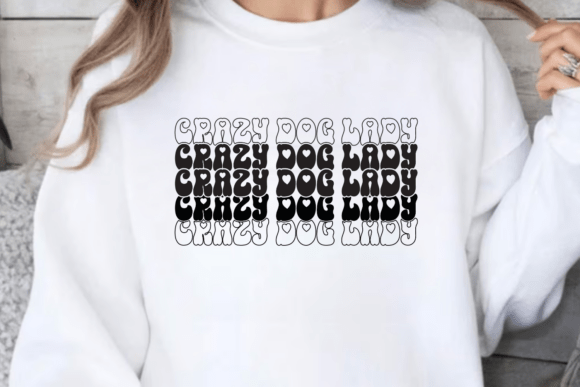
Right away, the design has a warm, slightly irreverent charm that feels both modern and timeless. The phrase “Crazy Dog Lady” is a badge of honor, and the typography leans into a hand-lettered, organic feel that avoids looking stiff or overly polished. This matters because in embroidery, rigid geometric fonts can look harsh, but a softer, slightly whimsical script invites a more approachable final product. The visual weight seems balanced, with the words likely paired with subtle dog-themed accents — maybe a paw, a bone, or a playful heart — that give it a recognizable dog-mom identity without overwhelming the message.
The mood is ideal for gifts, boutique apparel, and home décor that targets a passionate niche. It’s not trying to be formal or minimalist; it’s proudly expressive. When I imagine this stitched in thread on a canvas tote or a cozy sweatshirt, I see something that sparks conversation and feels like a personal statement, not a generic graphic. That kind of emotional connection is exactly what makes a design sell well at craft fairs or on Etsy, because the buyer recognizes themselves in it.
Real-Life Embroidery Project Case: A Custom Dog Mom Tote
To test this design in a realistic scenario, I planned a project for a client who runs a dog walking business and wanted a few embroidered tote bags to gift her most loyal customers. The bag was a medium-weight natural canvas, and I sized the design to fit a 5x7 hoop. The SVG itself isn’t a native embroidery file, so I imported it into my digitizing software and converted it into a machine embroidery design, carefully adjusting stitch types and angles. The Crazy Dog Lady SVG, Dog Mom SVG gave me clean vector paths to work with, which made the digitizing process much faster than tracing a low-resolution raster image.
After digitizing, I ran a test stitch on a scrap of the same canvas with a medium-weight cutaway stabilizer. The lettering came out crisp, and the small decorative elements — a tiny paw print near the baseline — held their shape without turning into dense, uncomfortable lumps. I used a soft charcoal thread on a cream background for the first sample, and the contrast was excellent. The design felt like it belonged on the bag, not like it was just slapped on. Once I saw the results, I had no hesitation about moving to the final product.
How the Design Holds Up in Stitch
From a digitizer’s perspective, the success of an SVG-to-embroidery conversion depends heavily on the original artwork’s clarity. This file offers clean, well-separated elements, which means you can assign different stitch types — satin, fill, or running stitch — without things bleeding into each other. The lettering is thick enough to be easily read at a reasonable size, but not so bulky that it would require overly dense fill that could pucker lightweight fabrics. If you’re planning to stitch it small, you’ll need to simplify the details, but at a 4-inch width or larger, it retains its charm beautifully.
Thread color choice matters a lot here. Because the phrase is witty and the style is playful, I’d lean toward warm, slightly muted tones — terracotta, mustard, denim blue, or olive — rather than harsh neons. On dark fabrics, the design still reads well if you adjust the digitizing to add a subtle underlay, but I’d stay away from very thin dark t-shirts unless you’re using a thick, stable stabilizer and a light thread color to pop. The design’s personality is welcoming, so the thread palette should match that vibe.
Where It Shines and Where to Be Careful
This design is a natural fit for a whole range of products that dog-loving customers adore. Tote bags, kitchen towels, aprons, and sweatshirts are obvious winners. I could also see it working beautifully on a linen pillow cover for a cozy home accent, or on a denim jacket back panel for a statement piece. It’s a fantastic option for personalized gifts — imagine a friend opening a neatly packaged canvas pouch with this embroidery and a little paw charm. As a retail product, it would sit comfortably in a boutique pet shop or a handmade goods market, appealing to the proud dog mom demographic.
However, there are a few scenarios where I’d pause before using this design. Very small hoop sizes, like a 4x4, might force the lettering to become too tiny, risking stitch density issues and loss of readability. Highly textured fabrics like chunky knit sweaters or terry cloth can obscure the finer details, making the lettering look wobbly. Stretchy, thin fabrics (think tissue-weight jersey) need extra care; a good no-show mesh stabilizer and possibly a topper can help, but the design might still feel heavy if not digitized carefully. Curved surfaces like caps can be tricky because the wide layout might warp, so I’d consider a special cap digitizing approach or stick to flat items. And if the design includes any tiny accents, they could disappear on dark fabrics or after multiple washes, so test first.
Practical Embroidery Designer Notes
Before you commit to a full production run, there are a few steps I always follow — and I’d recommend the same for anyone using Crazy Dog Lady SVG, Dog Mom SVG in their embroidery business.
- Test on scrap fabric first. Same fabric, same stabilizer, same thread brand. No shortcuts.
- Check thread color contrast. A design this cute can fall flat if the thread blends into the background. Hold it at arm’s length and squint; if you can’t read it, your customer won’t either.
- Review stitch density. Overly dense lettering feels stiff and can chew through thin fabric. Adjust your digitizing so the back isn’t rock-hard.
- Confirm your hoop size. Make sure the final stitched area fits comfortably in your hoop, with at least half an inch of clearance on all sides.
- Inspect small details. If the SVG includes tiny paw dots or delicate lines, verify they’re visible and not going to become stitch skips.
- Test in black and white mockups. This helps you see the design’s silhouette and balance without the distraction of color.
- Compare light and dark fabric backgrounds. A design that looks great on oatmeal may need a different underlay on navy.
- Use the right stabilizer. For woven fabrics, a medium cutaway is a safe bet. For knits, a poly mesh cutaway prevents sagging.
- Check licensing before selling. The product description mentions it’s a premium SVG cutting file. Always confirm whether the license allows commercial use of finished physical products, especially if you plan to sell on Etsy or at craft fairs. If you’re selling digital embroidery files derived from it, you’ll need to verify that’s permitted.
From Screen to Finished Product: The Buyer’s Perspective
When I look at a design, I’m already thinking about how a customer will react to the finished product. The Crazy Dog Lady SVG, Dog Mom SVG has a universal appeal that bridges generations. A younger dog mom might love it on a cropped sweatshirt, while an older customer might appreciate it on a matching apron and tea towel set. The design doesn’t alienate; it includes. That’s a huge advantage for small shop owners who need designs that move inventory quickly.
Visibility matters too. In a crowded Etsy search result or a craft fair table, a design that makes someone smile or laugh out loud has a real edge. This one does that. It’s not just another floral monogram or generic heart — it says something specific and personal. For a craft business, that translates to higher engagement, better reviews, and repeat customers who feel seen.
I also appreciate that the design’s layout is relatively straightforward, which means it won’t cost a fortune in thread changes or require an overly complex digitizing setup. A single-color or two-color version can look extremely polished and professional, keeping production time reasonable. For handmade sellers who value both quality and efficiency, that’s a quiet but powerful benefit.
Final Thoughts on the Design’s Practical Value
I’ve reviewed plenty of Graphics intended for Crafts, and not all of them make the leap to embroidery with grace. Crazy Dog Lady SVG, Dog Mom SVG does, provided you’re willing to put in the necessary digitizing work and fabric testing. It’s a design that rewards thoughtful execution. When you stitch it out on a tote bag, a sweatshirt, or a patch, you get a product that feels intentional and heartfelt — not like a mass-produced sticker slapped onto a garment.
For embroidery designers, print-on-demand shops, or anyone adding a handmade touch to their merchandise, this file offers a strong foundation. Use it to create a signature item for your brand, a limited-edition holiday gift, or a go-to staple for your craft fair booth. Just remember to respect the original file’s intended use as a cutting file, and convert it with care. The dog-loving community is loyal and vocal, and a well-executed design like this one will earn you the kind of word-of-mouth that no advertising budget can buy.