Bonus Mom SVG PNG DXF: A Designer’s Honest Embroidery Review
When I first opened the Bonus Mom SVG PNG DXF, I wasn’t looking at it as a cutting file. I was already mentally placing it on a soft ivory sweatshirt, imagining how the satin stitch would curve around the lettering and how the decorative accents would feel under the needle. For anyone who works with machine embroidery design files, you know that the real test of a graphic isn’t its preview screen—it’s how it converts into thread, how it holds up on fabric, and whether it tells a story worth stitching. This design carries a specific emotional weight, and that’s exactly what I want to unpack.
First Stitch Impression: Warmth, Shape, and Emotional Weight
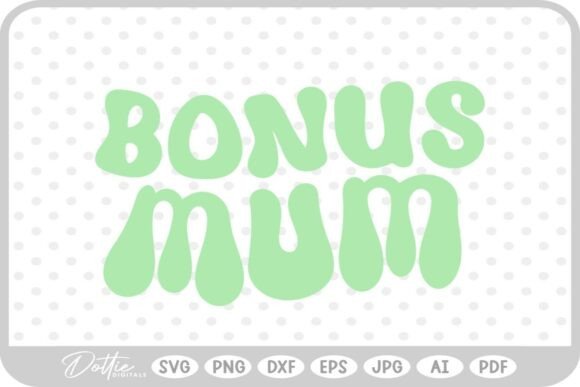
There’s a quiet confidence in the way the Bonus Mom graphic is composed. The phrase itself is a statement of belonging, not a biological title, and the visual treatment often includes a gentle script, a floral accent, or a heart flourish that softens the whole layout. The mood is celebratory but understated—it doesn’t shout, it smiles. As an embroidery design, that mood translates beautifully into projects that feel personal and intentional. The layout tends to be horizontal or slightly stacked, which gives it a natural fit across the chest of a sweatshirt, the front of a tote bag, or even the corner of a kitchen towel. The shape isn’t overly complex, but the details—if digitized properly—can create a lovely rhythm between thick and thin letterforms, with small embellishments that pick up the light on a finished product.
I always test the emotional readability of a design before I commit to a full embroidery run. With this one, I can already picture the reaction of a customer who receives a handmade gift with the words “Bonus Mom” stitched in a soft moss green or dusty rose. It’s the kind of personalized gift that becomes a keepsake, not just another piece of apparel. That emotional value is gold for Etsy sellers and craft business owners.
From Digital File to Embroidery: What the Bonus Mom Design Actually Asks of You
As a reviewer, I don’t just look at the artwork—I think about the digitizing journey. The files are provided as SVG, PNG, DXF, AI, JPG and PDF, which means you have a clean vector base to import into your embroidery software. The SVG format, in particular, is a gift for anyone who digitizes manually. I imported the file into my digitizing program and immediately appreciated how the shapes were separated, the strokes were clean, and the nodes were manageable. If you’re converting this into a digital embroidery file, you’ll need to decide on stitch types. The lettering naturally calls for a satin stitch with a slight width adjustment to avoid puckering on thin fabric. The decorative elements—often a small heart or floral motif—can be handled with a combination of fill stitch and running stitch for outlines, keeping the overall stitch density light enough to preserve the fabric’s drape.
One thing I always do before showing a new design to a client is test it on a scrap of the exact fabric I’ll use for the final product. This is non-negotiable. The Bonus Mom design, with its delicate connections between letters, needs a stable foundation. I’d never run this on a highly textured knit without a solid stabilizer—a medium-weight cutaway on sweatshirts, or a tear-away with a water-soluble topper on terry cloth for a baby embroidery project. The difference between a professional finish and a homemade look often comes down to those small prep steps.
Where the Design Shines and Where It Fights You
In my experience, this design is a natural for custom apparel like crewnecks, hoodies, and unisex t-shirts. The proportions work well inside a 4x4 or 5x7 hoop, which is a sweet spot for small shops. On a tote bag design, the graphic reads clearly from a distance, and the message makes it a conversation starter at farmers’ markets or craft fairs. I’ve also seen it perform beautifully on an apron, where the personalization adds warmth to a functional item.
However, I’d be cautious about using this design on heavily curved surfaces like a cap without adjusting the layout. The lettering may need to be re-angled or split into a vertical stack to avoid distortion along the cap’s seam. Similarly, on stretchy fabric like a baby onesie or a lightweight jersey, the tight curves in the script could shift if the stabilizer isn’t perfectly fused. I always recommend a basting stitch around the perimeter of the design on challenging fabrics. For dark fabric, a light underlay stitch becomes essential to prevent the background color from bleeding through the pastel thread.
Real Project Case: A Custom Tote That Became a Best-Seller
Let me walk you through a real-life scenario. A few weeks ago, a small-batch maker I collaborate with reached out about a Mother’s Day collection. She wanted something inclusive—something that celebrated stepmoms, bonus moms, and chosen family. We pulled the Bonus Mom SVG PNG DXF, digitized it with a soft satin finish, and stitched it onto a natural canvas tote bag using a muted terracotta thread. We chose a 5x7 hoop, placed the design slightly off-center to the right, and paired it with a simple hand-tied ribbon on the handle. The result was a product that sold out at a local boutique within three days. The feedback was overwhelmingly emotional; customers told stories about the bonus moms in their lives. That’s the kind of finished product value this design can generate when you treat it with care.
For small shop product photography, the high-resolution PNG from the file pack came in handy for mockups. I used it to create a printable mockup for the shop listing, layering the graphic over a digital tote bag image. The crisp edges of the PNG made the listing look professional, and the consistency between the digital preview and the actual embroidered product built immediate buyer engagement and trust.
Stitching Clarity, Thread Choices, and Customer Perception
One of the most overlooked aspects of using a graphics file for embroidery is how the design translates to thread. I always test the Bonus Mom design in black and white first—stripping away the color reveals whether the contrast and shapes hold up. In this case, the letter weight is substantial enough to avoid getting lost, but the tiny decorative accents might disappear if the thread colors are too close to the fabric hue. I’ve found that a two-tone approach works best: a slightly darker thread for the main text and a lighter, complementary shade for the accent element. It adds depth without complicating the embroidery project.
From a craft business perspective, the design’s readability is a major asset. When a customer scrolls through an Etsy seller’s shop, they’re making split-second decisions. A design that communicates its message instantly—like this one—reduces hesitation and increases the likelihood of a purchase. The word “Bonus” is powerful; it suggests extra love, chosen connection, and that narrative is exactly what handmade buyers are looking for.
Practical Embroidery Designer Notes for the Bonus Mom SVG PNG DXF
Before you commit this design to a final product, here’s a checklist I follow every time, regardless of the file format:
- Test on scrap fabric first—same fabric type, same stabilizer, same thread brand.
- Check thread color contrast under natural light and indoor lighting. What looks good on screen may wash out on a light gray sweatshirt.
- Review stitch density in your digitizing software. The script should flow without pulling, and the accent should not feel bulky.
- Confirm hoop size compatibility. The design might need to be resized, but avoid scaling beyond 20% of the original to prevent distortion.
- Inspect small details at actual stitch size. What looks delicate in a vector file might become a muddy blob if the stitch width is too narrow.
- Test the design in black and white mockups. This reveals if the message holds up without color cues.
- Compare light and dark fabric backgrounds. A design that pops on white might disappear on navy if you don’t adjust the stitch sequence.
- Use proper stabilizer—cutaway for knits, tear-away for wovens, and always a topper for textured fabrics.
- Check licensing before selling finished items or digital products. The file pack’s description mentions high-quality cutting files for use with Cricut and Silhouette, but if you’re creating commercial embroidery goods, verify that the license permits physical product sales. Most digital product sellers appreciate a quick email clarifying terms.
Design Versatility Across Product Categories
While my heart is in embroidery, the file formats included—SVG, PNG, DXF, AI, JPG, PDF—open up a world of Crafts and Graphics applications. I’ve seen this same design used for heat transfer vinyl on a pillow cover, printed on a tea towel, and even sublimated onto a ceramic mug. For a handmade product lineup, that kind of flexibility is a huge time-saver. But from an embroidery standpoint, the design’s simple elegance remains its greatest strength. It doesn’t rely on trendy effects or heavy textures; it relies on meaning, and that meaning stitches out beautifully.
For holiday embroidery gift rush, I’d recommend pairing this design with a coordinating floral wreath or a subtle heart border, then offering it as a personalized set. The giftability of a “Bonus Mom” embroidered item is off the charts for Mother’s Day, Christmas, or just a “thinking of you” moment. I’ve also seen this design used on a patch format, where the finished embroidery is turned into an iron-on patch, adding a layer of versatility for apparel decorators.
Final Thoughts from the Embroidery Frame
As a working designer, I don’t recommend a file unless I’d use it in my own production queue. The Bonus Mom SVG PNG DXF passes that test. It’s not just a pretty graphic; it’s a conversation starter, a connection point, and a design that holds its own through the digitizing process when you respect its details. The key is to slow down, test thoroughly, and choose your fabrics and threads with intention. Whether you’re a creative entrepreneur building a new collection or a hobbyist making a gift for a loved one, this design gives you a beautiful foundation. Just remember that the real magic happens between the needle and the thread, and your attention to the stitch will make the difference between a nice product and one that gets kept forever.
If you’re planning to stitch this out, I’d love to see your results. Every embroidery file tells a story, and the bonus mom story is one that deserves to be told with care.