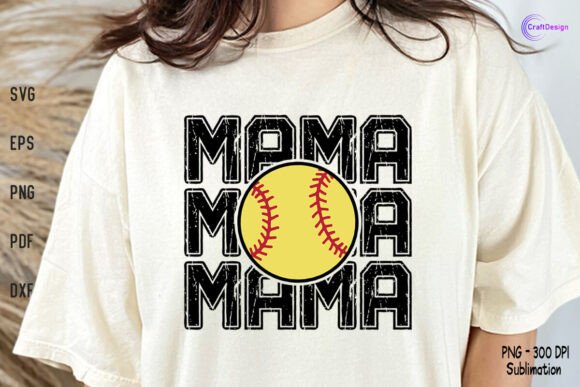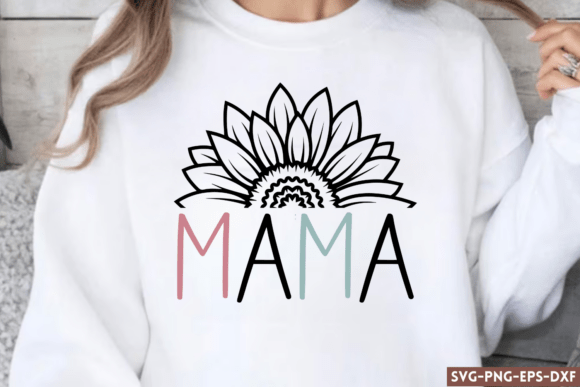
Mama SVG, Mom SVG, Mother s Day SVG
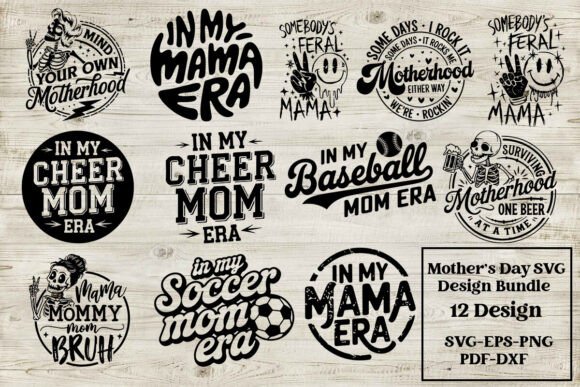
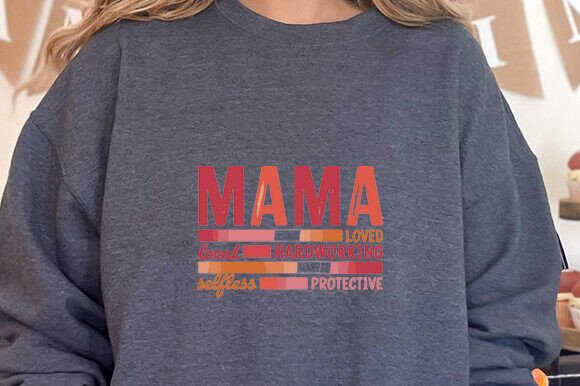
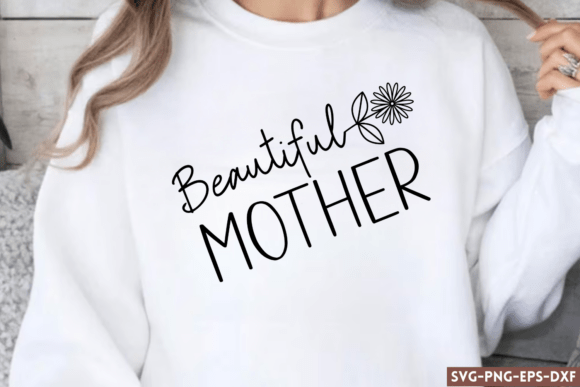
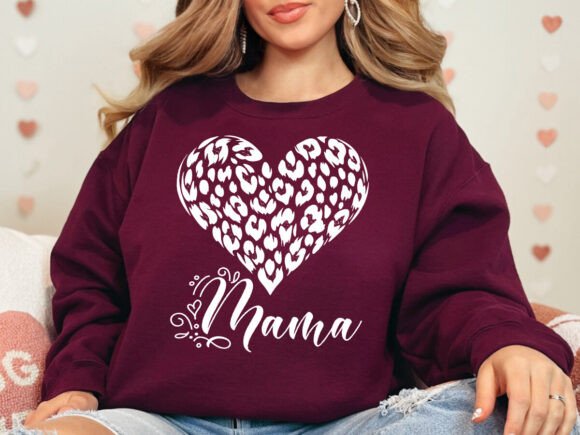
I’ve looked at hundreds of typography designs meant for Mother’s Day, and this one—Mama SVG, Mom SVG, Mother s Day SVG—caught my eye the moment I opened the file. It’s not a fussy, overly ornate script. It’s not a bare-bones block letter. It strikes a balance: friendly, warm, and just sentimental enough to feel like a real hug from a child. The visual weight is even, the curves are soft, and the words “Mama” and “Mom” sit like they belong together on a well-loved piece of fabric. As an embroidery designer who tests files for small business clients, I immediately started picturing it on a canvas tote, a baby onesie, or a kitchen towel heading to a Mother’s Day gift basket.
What I appreciate most at first glance is the design’s restraint. The SVG file is clean, and the shapes are not broken up into a million tiny islands. For embroidery, that matters. When I convert a graphic like this into a machine embroidery design, I need continuous, smooth paths for clean satin stitches or well-behaved fill stitches. The letters here have a gentle, slightly rounded character that will translate beautifully into thread. I can already imagine a soft appliqué version—a heathered fabric base with the word “Mama” stitched down in a contrasting thread, maybe a pale pink on a natural linen background. The mood is contemporary craft, not vintage frill, and that gives it real versatility for handmade products.
This is a Graphics asset, originally packaged as a high-quality SVG cutting file for Cricut and Silhouette projects. But for those of us who move between paper crafts, vinyl, and needle and thread, an SVG like this is a goldmine. I’ve imported it into my digitizing software, and the crisp vector lines gave me a strong foundation. There’s no fuzzy pixelation, no irregular curves that would need heavy editing before setting stitch angles. If you’re planning to create a digital embroidery file from it, you’ll have a solid starting point. That’s the kind of design assets thinking that saves hours in a craft business.
Seeing It on a Real Product: The Tote Bag Test
Let me walk you through a realistic scenario. A client asked me to create a small batch of personalized Mother’s Day gifts for her boutique. She wanted a simple, modern tote bag that felt high-end but not over-designed. I pulled up Mama SVG, Mom SVG, Mother s Day SVG and placed it in a 4x4 hoop mockup on a cream canvas bag. The layout was perfect. I could see the word “Mama” centered, with a tiny heart accent (if included in the design file, or something I could add from my own library) just below it. The typography wasn’t too wide, so it fit comfortably in the hoop with room for a name or a short date if needed.
From a stitching perspective, a tote bag is a fairly forgiving canvas—medium-weight, not too stretchy. The design’s lettering, with its moderate thickness, won’t disappear into the texture of the fabric. I’d use a medium-weight cutaway stabilizer and a soft satin stitch for the letterforms. The running stitch outlines, if I choose to add them for definition, would still hold up well after repeated washes. The mood of the finished product would be exactly what the client wanted: a heartfelt, usable gift that doesn’t scream “mass-produced.”
But here’s where I always pause and evaluate carefully. On a dark fabric, say a deep charcoal or navy blue tote, the design would need a thread color that pops. A metallic gold or a bright coral thread could make the word “Mama” feel luxurious. I’d test the thread colors on a scrap of the same tote material first. That’s a non-negotiable step I recommend to every Etsy seller or small shop product creator. The same SVG that looks crisp on a white screen can turn into a thread-color headache on a dark background if you don’t check contrast early.
Where This Design Shines in Embroidery Projects
I’ve mentally run this design through a dozen product types, and it consistently lands in the sweet spot of warm, personal, and saleable. Here’s a quick list of projects where I’d confidently use Mama SVG, Mom SVG, Mother s Day SVG as a machine embroidery design:
- Custom apparel – A simple crewneck sweatshirt with “Mama” embroidered on the left chest. It’s small, subtle, and completely wearable. The soft curves of the letters will look lovely against fleece or French terry.
- Baby embroidery – A tiny onesie or a baby burp cloth with “Mama” in a delicate satin stitch. Keep the size modest, around 2.5 to 3 inches wide, and use a soft, no-itch stabilizer on the back.
- Kitchen linens – A set of flour sack tea towels with the phrase “Mom” or “Mama” stitched near the hem. These would sell beautifully at a craft fair or market stall, especially paired with a wooden spoon and a recipe card.
- Embroidered patches – I’d turn this into a freestanding patch by stitching the design on felt or twill with a merrowed edge. A “Mama” patch on a denim jacket or a canvas backpack is a trendy, high-margin item.
- Pillow covers – A linen cushion cover with the word “Mama” in a chunky, bold fill stitch becomes an instant nursery decor statement. It’s simple, but it sells.
- Holiday gifts – Mother’s Day is the obvious occasion, but I’ve seen “Mama” designs work year-round for baby showers, first birthdays, and “just because” personalized gifts.
In each case, the design’s personality is approachable and modern. It doesn’t lean too heavily on cursive flourishes that might snag or look dated. That’s a big plus for brand consistency. If you’re building a shop around clean, minimalist handmade goods, this SVG-based design will fit right in without requiring a complete style overhaul.
When to Be Cautious and Adjust Your Approach
No design is a one-size-fits-all miracle, and a good embroidery reviewer will tell you exactly where things can go sideways. With Mama SVG, Mom SVG, Mother s Day SVG, the main considerations are size, fabric, and detail density.
First, small hoop sizes. If you’re trying to fit this on a 3x3 hoop, you’ll need to scale the design down significantly. The letters might become too thin for a clean satin stitch. At very small sizes, under 1.5 inches tall, the interior spaces of rounded letters like “a” and “m” could close up with thread, turning “Mama” into a blob. I’d only go that small if I’m doing a toner-based appliqué method or using a very fine 60-weight thread. Otherwise, stay above 2 inches in width for lettering.
Next, textured fabrics. A thick terry cloth towel or a heavily napped fleece can eat up the detail. You’ll need a water-soluble topping to keep the stitches from sinking, and even then, the softness of the word “Mama” might lose its crisp edge. I’d recommend testing on a smooth, flat-woven fabric first, then graduating to more challenging textures.
Stretchy fabrics, like a modal-blend t-shirt or a ribbed knit, require extra care. The design has no built-in underlay in its SVG form, so you’ll have to add a proper underlay and use a no-show mesh stabilizer when you digitize it. The curves of the letters can pull and distort if the fabric stretches during hooping. A basting stitch around the design area is a lifesaver.
Also, think about curved surfaces. Embroidering “Mama” on a cap’s front panel is possible, but you’ll need to arc the text slightly or use a 270-degree hoop frame. The straight baseline of the SVG might not naturally follow the cap’s curve, so be ready to adjust the digitized file. Always test the placement on a hat-form before committing to a final product.
Finally, if the design includes very tiny decorative accents—like a small heart or a star—those can become stitching nightmares. Stitch density in those spots can cause needle breaks or thread buildup. I’d enlarge them or simplify them to a clean running stitch accent. The overall mood of the piece won’t suffer, and the durability will improve.
How This Design Boosts Product Value and Customer Trust
I’ve noticed that handmade product buyers respond to clarity. When they see a crisp, evenly stitched “Mama” on a sweatshirt or a tote, they immediately assume the maker knows what they’re doing. A design that’s too intricate can look messy, and one that’s too plain can feel like an afterthought. Mama SVG, Mom SVG, Mother s Day SVG lives in that confident middle ground. It reads as intentional, not generic.
In my experience, personalized gifts with this kind of typography attract impulse purchases. A customer browsing a boutique product listing on Etsy might see “Mama” on a soft grey tee and instantly picture their own mother or a friend. That emotional recognition is gold. The design’s simplicity also makes it easy to add a child’s name or a date below it, which further increases the perceived value. I’ve seen sellers charge a premium for this kind of custom detail, and buyers are happy to pay.
From a commercial embroidery standpoint, this design is a safe investment. It’s not trendy in a way that will feel outdated by next Mother’s Day. The word “Mama” is timeless. The SVG file’s clean construction also means you can easily adapt it to different color palettes, seasonal threads, or even a layered appliqué look without losing the original charm. That’s important for craft business owners who need to stretch one design across multiple product lines.
Practical Designer Notes Before You Stitch
Every time I test a new graphic for embroidery, I follow a mental checklist. Here’s what I’d do with Mama SVG, Mom SVG, Mother s Day SVG before listing the finished product in my shop:
- Run a thread color test on both light and dark fabric scraps. I’d try a soft cream thread on a chambray background, a bold coral on white, and a mustard yellow on olive green. The design’s rounded letters can handle a bit of color play, but you want to make sure the contrast works.
- Check the stitch-out at three different sizes. I’d test a 3-inch wide version for a tote bag, a 2-inch version for a baby bib, and a 1.5-inch version for a hat side patch. I’d inspect each one for thread breaks, puckering, and letter clarity.
- Review the design in a black-and-white mockup. This is a trick I learned years ago. If the design still reads as “Mama” without color, it’ll read on almost any fabric. This SVG passes that test beautifully.
- Pair it with the right stabilizer. For apparel, a medium-weight cutaway; for towels, a tear-away with a topping; for thin fabrics, a lightweight fusible stabilizer. No guesswork.
- Consider the reverse side. On a baby item, I’d use a soft backing or a cover stitch to protect sensitive skin. The design itself is gentle, but the back of dense satin stitches can be scratchy.
- Confirm licensing. This is absolutely critical. The product description mentions a high-quality SVG cutting file, but it may or may not include a commercial embroidery license. Before you sell a single embroidered patch or custom apparel item with this design, reach out to the seller and verify that you can use the artwork for physical products you intend to sell. Don’t assume. I’ve seen too many makers get into trouble by skipping this step.
If you’re planning to offer the digitized embroidery file as a digital embroidery file for others to download, you’ll need an even broader license. Always check the terms that came with the original SVG. The design itself is charming, but legal clarity is part of professionalism.
That Final, Satisfying Glance
I keep coming back to the way this design makes me feel. It’s not just a word; it’s a little emblem of connection. When I imagine a finished embroidered tote hanging in a boutique, or a tiny “Mama” stitched on a baby’s hat, I can almost feel the soft thread and the sturdy fabric. The stitched product will have a gentle, handmade presence that customers trust. Mama SVG, Mom SVG, Mother s Day SVG as a Graphics foundation is a thoughtful, well-balanced piece that deserves a permanent spot in a maker’s toolbox. It’s not flashy, but it’s exactly the kind of design that builds a loyal customer base, one heartfelt stitch at a time.