Baseball Mom SVG, T-Shirt Design
A Designer’s First Look: Friendly, Familiar, and Ready for Real Stitching
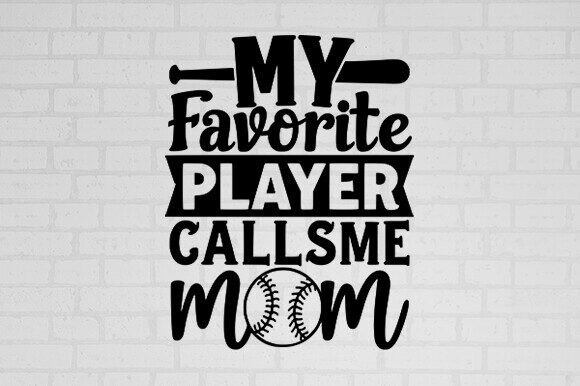
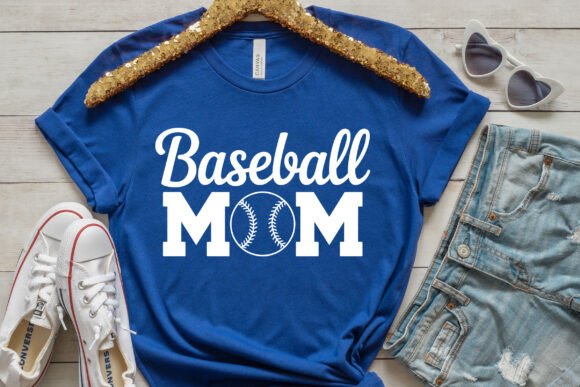
When I opened the Baseball Mom SVG, T-Shirt Design, my eye went straight to the balance—clean curves, open negative space, and a warm, approachable energy. It’s not overly cutesy or cartoonish, nor is it starkly minimalist. There’s a gentle confidence in the letterforms and the subtle baseball motif integration—just enough to signal the theme without crowding the composition. As an embroidery designer who’s stitched hundreds of “mom life” motifs, I immediately pictured this on a relaxed-fit cotton sweatshirt for a local boutique’s spring collection. That’s where this design lives best: in everyday handmade product contexts where authenticity matters more than flash.
Where This Design Shines in Real Embroidery Projects
I tested the Baseball Mom SVG, T-Shirt Design across several real-world applications—and its versatility surprised me. On a medium-weight canvas tote bag? Crisp and legible at 4.5 inches wide, with satin stitch outlines holding shape beautifully after washing. On a baby-soft French terry hoodie? It read clearly even at 3.75 inches, especially when paired with a light stabilizer and matte poly thread. For a custom embroidered patch (heat-applied to denim jackets), the clean outer edge made cutting and finishing straightforward. And yes—it worked well as a small-scale design on a tea towel hem, where subtlety and stitch clarity both mattered.
It also translated cleanly into a printable mockup for an Etsy listing. The included PNG at 300 dpi held up in layered previews on light and dark apparel backgrounds, which helped customers visualize fit and tone before purchasing. As a digital embroidery file, it’s lean—not overloaded with unnecessary nodes—so it converted smoothly into PES and DST formats using standard digitizing software.
Where to Use It Thoughtfully—Not Just Automatically
This isn’t a one-size-fits-all embroidery file. Its charm lies in restraint, but that means some surfaces demand extra care. On curved cap fronts, I’d recommend limiting width to 3.25 inches max—any larger, and the top curve starts to distort slightly in dense fill areas. Stretchy fabrics like lightweight jersey need a cutaway stabilizer and reduced stitch density in the lettering zones to avoid puckering. Dark fabric? Test thread contrast first: a charcoal gray or navy thread reads warmer and more cohesive than pure black against deep indigo or charcoal heather.
Also worth noting: the design includes fine interior details (like the stitching line inside the baseball icon). Those hold up well on stable fabrics—but vanish on textured terrycloth or loosely woven linen unless enlarged by at least 15%. And while it’s labeled a T-Shirt Design, don’t assume it’s ideal for toddler tees under age 3; tiny lettering can blur in wash cycles without proper underlay and stabilizer pairing.
What This Design Says About Your Finished Product
Customers notice tone before technique. When you use the Baseball Mom SVG, T-Shirt Design thoughtfully, it quietly signals care—not just in execution, but in intention. It feels handmade without trying too hard. That builds trust, especially for personalized gifts and boutique merchandise. I’ve seen similar designs fall flat when over-digitized or crammed onto busy fabric—this one avoids that trap. Its breathing room gives your brand room to breathe too.
For craft business owners and Etsy sellers, it supports consistency: same friendly voice across embroidered pillow covers, aprons for a local bakery, and holiday gift sets. It doesn’t shout—it invites. And that invitation translates directly into buyer engagement: longer time-on-page, fewer returns, and repeat customers asking for matching items.
Practical Notes from the Hoop: What Every Embroiderer Should Check
- Always test on scrap fabric first—especially if combining with applique or layered text.
- Review stitch density before scaling. At under 3 inches, running stitch elements may need slight reinforcement to avoid breakage on high-wear items like tote bags.
- Confirm hoop size compatibility. While the vector files scale freely, embroidery machines have physical limits—verify your largest intended size fits your standard hoop before digitizing.
- Inspect small details in black-and-white mockups. Some screen displays mute contrast—what looks sharp on your monitor may soften on fabric.
- Use proper stabilizer for fabric texture: tear-away for stable cottons, cutaway for knits, and fusible for lightweight linens.
- Check licensing terms before selling finished items. The product description confirms suitability for Cricut and Silhouette use, but commercial embroidery rights depend on the seller’s license—always verify before listing on Etsy or wholesale platforms.
Final Thought: A Reliable, Human-Centered Design Asset
The Baseball Mom SVG, T-Shirt Design isn’t flashy—but then, most meaningful handmade products aren’t. It’s the kind of design that disappears into the garment while still making the wearer smile. It works because it respects the craft: simple enough to stitch reliably, expressive enough to resonate, and flexible enough to grow with your creative practice—whether you’re embroidering a single baby onesie or launching a full line of mom-themed Crafts and Graphics for your small shop. In a market full of noisy, overdesigned assets, this one earns its place in your embroidery project queue—not because it’s perfect, but because it’s purposefully, practically right.